Introduction
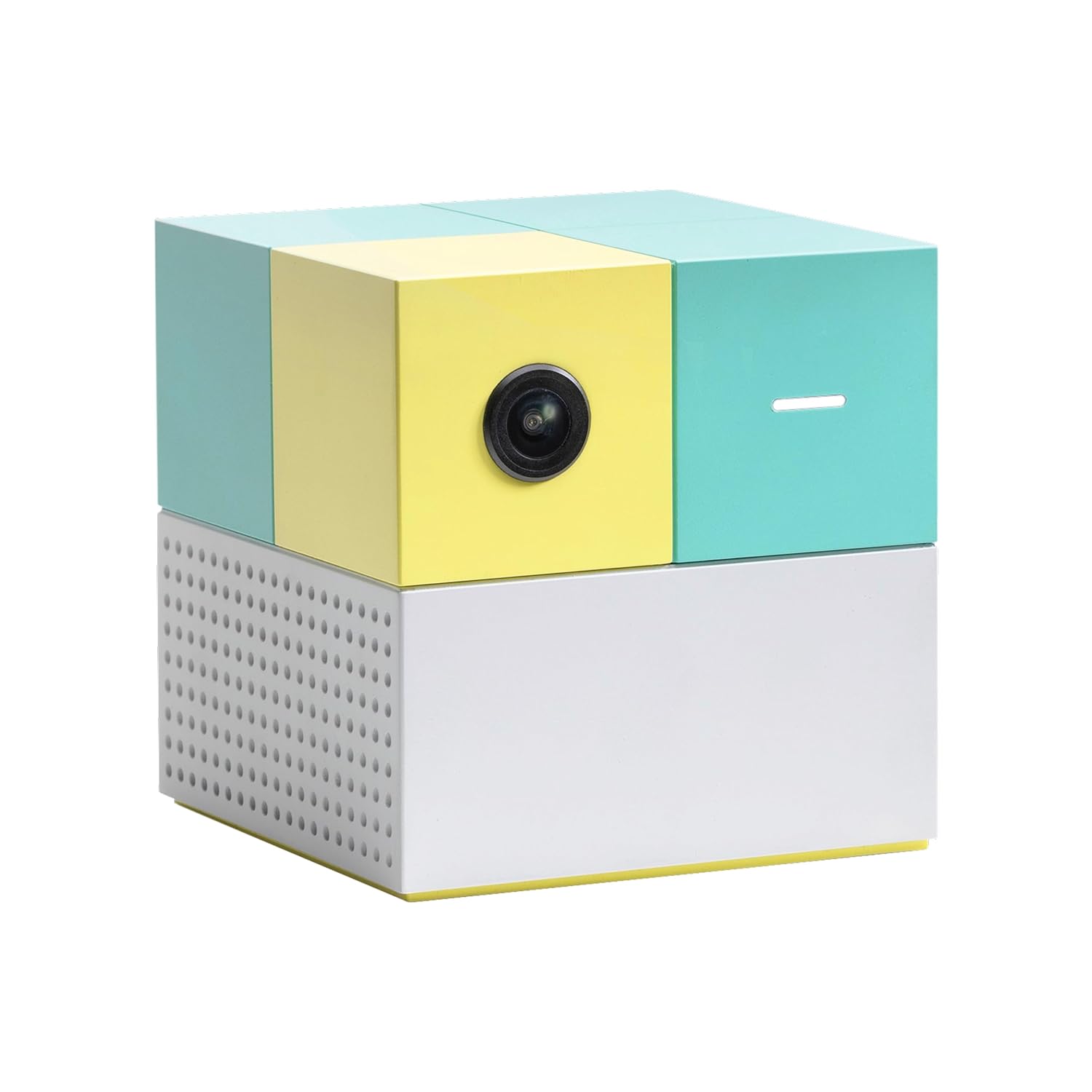
Screen time and physical activity are often framed as opposites, but a growing number of products are trying to bridge that gap rather than choosing one side. The Nex Playground is one example of this approach — a console-style system built specifically around motion-based, interactive play rather than traditional controller-driven gaming. Instead of sitting still with a joystick in hand, players move their bodies to interact with games projected on a screen, using a built-in camera and sensor system to track movement in real time.
This article looks at what the Nex Playground actually offers, how families might incorporate it into their routines, who tends to get the most out of it, and what’s worth thinking through before adding one to a household.
Key Features
Motion-Tracking Technology
At the core of the Nex Playground is a camera-based motion tracking system. Rather than requiring handheld controllers, the device detects body movement, allowing players to jump, dance, swing, or gesture as part of gameplay. This design choice shifts the experience away from passive screen time and toward something closer to physical activity.
No Wearables Required
Unlike some motion gaming systems that require wristbands, sensors, or other wearable accessories, the Nex Playground is designed to work without any additional equipment attached to the player’s body. This can simplify setup, particularly in households with younger children who might find wearable trackers cumbersome or easy to lose.
Multiplayer and Family-Oriented Design
The system is built with group play in mind, supporting multiple players at once. This makes it suited for family game nights, sibling play sessions, or even casual gatherings with friends, where more than one person can participate in a game simultaneously rather than taking turns.
Library of Interactive Games
The Nex Playground includes access to a range of games designed around physical movement, often incorporating elements like dancing, obstacle-style challenges, and reaction-based activities. The variety allows different age groups and interests to find something engaging within the same system.
Compact Setup
The device is designed to connect to a television and typically doesn’t require extensive additional hardware, making setup relatively straightforward compared to more elaborate home gaming or fitness systems.
Designed for Indoor Use
Given its reliance on camera tracking and a connected screen, the Nex Playground is built specifically for indoor environments, offering an alternative to outdoor play when weather, space, or scheduling make outdoor activity less convenient.
How It Can Be Used
Family Game Nights
One of the more natural use cases is incorporating the Nex Playground into a regular family game night routine. Because multiple people can play together, it offers an alternative to traditional board games or screen-based video games that often only accommodate one or two active participants at a time.
Active Play on Days with Limited Outdoor Time
On rainy days, during colder months, or simply when outdoor play isn’t practical, the Nex Playground offers a way to keep kids physically active indoors. It can serve as a substitute for running around outside without requiring much additional space.
Birthday Parties and Playdates
Given its multiplayer design, the system can work well as an activity centerpiece during kids’ parties or playdates, offering a structured but flexible way for groups of children to engage with each other through movement-based games.
Encouraging Movement Breaks
Some families use systems like this as a way to break up long periods of sedentary screen time — for example, switching from passive shows or traditional gaming sessions to something that gets kids moving for a portion of the day.
Building Coordination and Reaction Skills
Many of the games built around motion tracking naturally involve elements of timing, coordination, and quick reactions, which can offer a playful way for kids to practice these skills without it feeling like structured exercise.
Who It May Be Suitable For
Families with Young Children
The combination of simple setup, no wearables, and movement-based gameplay tends to suit younger children well, particularly those who may not have the patience or fine motor skills required for traditional controller-based games.
Households Looking to Balance Screen Time with Activity
Parents who are looking for screen-based entertainment options that still involve physical movement may find this system fits a specific niche that purely passive screen time doesn’t address.
Families Who Host Gatherings
Given its group-play design, households that frequently host playdates, family gatherings, or kids’ parties may find practical use in having an activity that engages multiple children at once.
Multi-Generational Play
Because the gameplay relies on movement rather than complex controls, it may also appeal to grandparents or other family members looking for a low-barrier way to participate in active play alongside kids.
Important Things to Consider
Space Requirements
Since gameplay involves physical movement, having adequate clear space in front of the television is necessary for both safety and proper motion tracking. Cluttered or tight spaces may limit the experience or pose safety concerns.
Age Appropriateness
While designed broadly for kids and families, individual games within the system may vary in their suitability for different age ranges. It’s worth reviewing the available game library to understand which activities best match the ages of children who will be using it.
Television and Setup Compatibility
As with many connected devices, checking compatibility with your existing television and confirming any specific setup requirements beforehand can help avoid surprises during installation.
Supervision for Younger Children
As with most interactive technology aimed at kids, some level of adult supervision may be useful, particularly during initial setup or when introducing new games for the first time.
Long-Term Engagement
As with most game-based systems, interest levels can vary over time. Considering how often a household is likely to use an active play system, and whether the available game library offers enough variety, is a reasonable factor to weigh before purchasing.
Comparison of General Categories
Traditional Console Gaming Systems
Standard gaming consoles typically rely on handheld controllers and are generally designed for seated, stationary play. They often offer deeper, more complex game mechanics but don’t inherently encourage physical movement.
Wearable-Based Motion Gaming
Some motion gaming systems require wristbands, straps, or handheld motion controllers. These can offer precise movement tracking but add an extra step to setup and may be less convenient for very young children.
Camera-Based Motion Systems
This category, which includes the Nex Playground, relies on camera tracking without wearable accessories. This tends to simplify the experience, particularly for group play, though tracking accuracy can sometimes depend on lighting conditions and available space.
Fitness-Focused Gaming Systems
Some systems are marketed more specifically toward structured exercise routines rather than general family play. These often include more formal workout programming, which may appeal to a different audience than a more playful, party-oriented system.
Frequently Asked Questions
Does the Nex Playground require any additional accessories?
Generally, the system is designed to work without wearables or handheld controllers, relying instead on camera-based motion tracking, though specific setup requirements should be confirmed based on the version purchased.
How many players can use it at once?
The system supports multiplayer gameplay, making it suitable for group activities, though the exact number of simultaneous players may vary depending on the specific game being played.
Is an internet connection required?
Many connected entertainment systems require an internet connection for setup, updates, or accessing certain game libraries, so checking specific connectivity requirements is recommended.
What age range is this designed for?
The system is generally marketed toward families with children, though individual games may have varying levels of complexity suited to different age groups.
Does it work with any television?
Compatibility can vary depending on television type and available ports, so reviewing specific compatibility details before setup is a reasonable step.
How much space is needed to play?
Since gameplay involves physical movement, having a reasonably open area in front of the screen is generally necessary, though exact space requirements can depend on the specific game being played.
Conclusion
The Nex Playground represents an approach to gaming that leans into physical activity rather than away from it, offering families a way to combine interactive entertainment with movement-based play. Its multiplayer design and lack of required wearables make it a relatively accessible option for households with kids of varying ages, particularly those looking for indoor activities that don’t involve passive screen time. As with any entertainment system, the right fit ultimately depends on a household’s specific needs, available space, and how the family plans to incorporate it into their routine.